Blogs
16
October
Colonoscopy & Gastroscopy: Uses, Benefits and Preparation
Digestive health plays an important role in overall well-being. Persistent abdominal discomfort, changes in bowel habits, difficulty swallowing, unexplained bleeding, or recurring digestive symptoms may require further medical evaluation. In certain situations, doctors recommend endoscopic investigations to examine the digestive tract and identify the cause of these problems.
Colonoscopy and gastroscopy are commonly used diagnostic procedures that allow doctors to examine different parts of the digestive system. Dr. Shrikant Wakudkar provides surgical consultation and evaluation for gastrointestinal concerns, with further investigation or specialist referral arranged according to the patient's clinical needs.
What Is Gastroscopy?
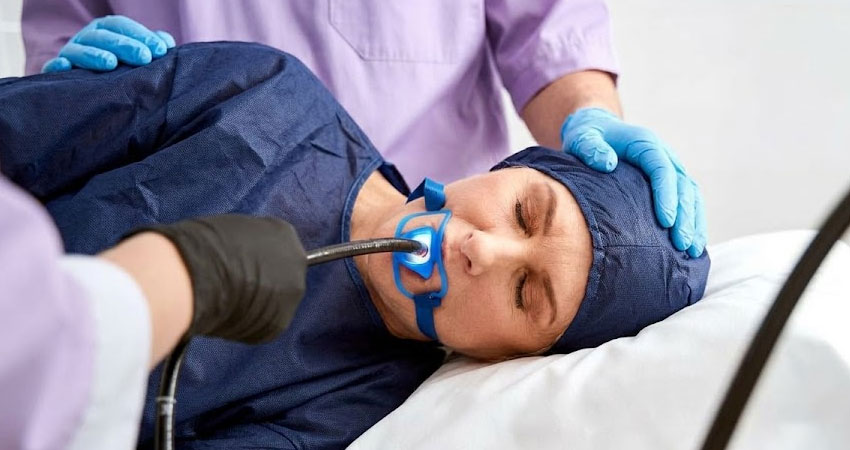
Gastroscopy, also known as upper gastrointestinal endoscopy, is a procedure used to examine the upper digestive tract. A thin, flexible tube with a small camera is passed through the mouth to view the oesophagus, stomach, and the first part of the small intestine.
This examination can help identify inflammation, ulcers, bleeding, and other abnormalities affecting the upper digestive tract. In selected cases, a small tissue sample may be collected for laboratory examination.
What Is Colonoscopy?
Colonoscopy is a procedure used to examine the large intestine, including the colon and rectum. A flexible instrument with a camera is gently passed through the rectum to allow the doctor to inspect the lining of the bowel.
Colonoscopy may help identify inflammation, ulcers, polyps, sources of bleeding, and other abnormalities. If necessary, the doctor may take tissue samples or remove certain polyps during the procedure.
When Is Gastroscopy Recommended?
Gastroscopy may be recommended when a patient experiences persistent or concerning symptoms involving the upper digestive tract. Depending on the clinical assessment, these may include:
- Persistent upper abdominal pain or discomfort
- Difficulty swallowing
- Recurring indigestion or unexplained digestive symptoms
- Persistent nausea or vomiting
- Suspected stomach or oesophageal ulcers
- Vomiting blood or suspected upper digestive tract bleeding
- Unexplained anaemia when further investigation is indicated
The need for gastroscopy depends on the patient's symptoms, medical history, examination findings, and the doctor's assessment.
When Is Colonoscopy Recommended?
Colonoscopy may be advised to investigate symptoms affecting the lower digestive tract or to screen for colorectal cancer in eligible individuals. Common reasons include:
- Blood in the stool or rectal bleeding
- Persistent changes in bowel habits
- Unexplained diarrhoea or constipation requiring investigation
- Unexplained iron-deficiency anaemia
- Suspected inflammatory bowel disease
- Evaluation of certain intestinal abnormalities
- Colorectal cancer screening or surveillance when appropriate
Not everyone with digestive symptoms requires a colonoscopy. The doctor determines whether this investigation is appropriate after considering the symptoms, risk factors, age, and other relevant clinical findings.
What Is the Difference Between Colonoscopy and Gastroscopy?
The main difference between these procedures is the part of the digestive system they examine. Gastroscopy evaluates the upper digestive tract, while colonoscopy examines the large intestine and rectum.
Both procedures use a flexible instrument with a camera to provide a direct view of the digestive tract. Depending on the patient's symptoms, a doctor may recommend one procedure or, in selected cases, both.
How to Prepare for Gastroscopy and Colonoscopy
Proper preparation helps ensure that the examination can be performed safely and that the doctor can obtain clear views of the digestive tract. Instructions differ depending on the procedure and the patient's medical history.
Before gastroscopy, patients are generally instructed to avoid food and liquids for a specified period. The exact fasting instructions should be provided by the treating team.
Colonoscopy usually requires bowel preparation to clear stool from the large intestine. This may involve a prescribed preparation solution, dietary adjustments, and specific instructions regarding fluid intake.
Patients should inform their doctor about all medicines they take, particularly blood thinners and diabetes medications, as well as any allergies, existing medical conditions, or previous reactions to sedation. Medicines should not be stopped or changed without medical advice.
What Happens During the Procedure?
Before the examination, the medical team explains the procedure and reviews the patient's medical history. Depending on the procedure and clinical circumstances, medication for sedation may be offered.
During gastroscopy, the endoscope is passed through the mouth to examine the upper digestive tract. During colonoscopy, it is passed through the rectum to examine the colon. The doctor may take tissue samples or perform certain additional procedures when medically indicated.
Patients are monitored during and after the examination. The duration of the procedure and the recovery period vary depending on the investigation, whether additional procedures are performed, and the patient's overall health.
Benefits of Colonoscopy and Gastroscopy
Endoscopic investigations provide important information about the digestive tract and can help doctors determine the cause of certain symptoms. Their potential benefits include:
- Direct examination of the digestive tract lining
- Identification of ulcers, inflammation, and other abnormalities
- Collection of tissue samples for further testing
- Detection and removal of certain colon polyps during colonoscopy
- Identification of possible sources of gastrointestinal bleeding
- Support for accurate diagnosis and treatment planning
Although these procedures are generally safe when appropriately performed, they have potential risks. These may include reactions to sedation, bleeding, and, rarely, perforation. The treating team can explain the risks relevant to the individual patient.
Recovery After Endoscopy
Recovery depends on the type of procedure performed and whether sedation, biopsy, or another intervention was required. Mild bloating, gas, or temporary throat discomfort may occur after certain examinations.
Patients who receive sedation may need someone to accompany them home and should follow the medical team's instructions about driving, work, food, and other activities. The treating team will explain when normal activities can be resumed.
Severe abdominal pain, significant bleeding, fever, breathing difficulties, or other concerning symptoms after the procedure require prompt medical assessment.
Why Timely Evaluation of Digestive Symptoms Matters
Digestive symptoms can have several causes, ranging from temporary conditions to problems that require specific treatment. Persistent symptoms, unexplained bleeding, difficulty swallowing, or unexplained weight loss should not be ignored.
A medical consultation helps determine whether lifestyle measures, medication, laboratory tests, imaging, endoscopy, or another form of evaluation is appropriate. Early assessment can help avoid unnecessary delays in diagnosis and treatment.
Get the Right Guidance for Digestive Health
Colonoscopy and gastroscopy are valuable tools for investigating selected gastrointestinal conditions. The appropriate procedure depends on the patient's symptoms, medical history, risk factors, and clinical findings.
If you are experiencing persistent digestive discomfort, changes in bowel habits, unexplained bleeding, or other concerning gastrointestinal symptoms, consult a qualified medical professional for evaluation and appropriate treatment guidance.
To learn more about gastrointestinal evaluation and available surgical services, visit the Colonoscopy & Gastroscopy for GIT service page.
-

Cashless Facility Available
-

All mediclaim/Health Insurance Accepted
-

EMI Payment Option Available
-

Free Guidance to choose right Health Insurance
-

Home Visit Available