Blogs
12
August
Pilonidal Sinus: Causes, Symptoms & Treatment Options
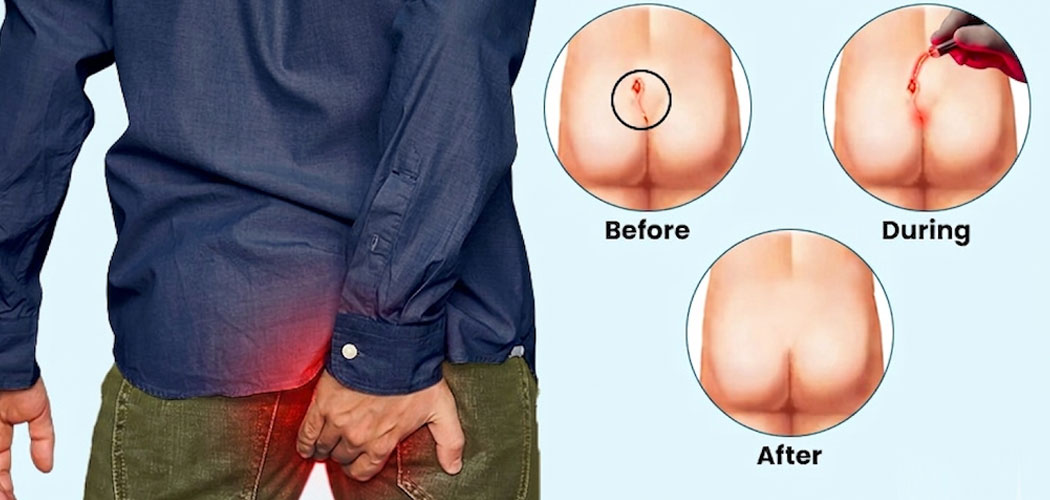
Pilonidal sinus is a common condition that develops near the cleft of the buttocks, usually close to the tailbone. It can cause discomfort, swelling, pain, and sometimes repeated infection. Although it may seem like a minor problem in the beginning, untreated pilonidal sinus can become painful and may affect daily activities.
As a Consulting General, Laparoscopic & Laser Surgeon, Dr. Shrikant Wakudkar provides evaluation and appropriate surgical treatment for pilonidal sinus, with the goal of relieving symptoms, treating the underlying problem, and helping patients return to their normal routine comfortably.
What Is Pilonidal Sinus?
A pilonidal sinus is a small tunnel or opening that develops in the skin near the tailbone. It can form when loose hair and skin debris become trapped beneath the skin, leading to inflammation or infection. Some people may have a small opening with no symptoms, while others may experience recurrent swelling, pain, or discharge.
Common Symptoms of Pilonidal Sinus
The symptoms can vary depending on whether the sinus is infected or has been present for a longer period. Common signs include:
- Pain or tenderness near the tailbone
- Swelling or a small lump in the buttock cleft
- Redness or irritation around the affected area
- Discharge of pus or blood
- Unpleasant odor from the infected area
- Recurring infections or abscesses
- Discomfort while sitting or moving
What Causes Pilonidal Sinus?
Pilonidal sinus is often associated with hair becoming embedded in the skin around the tailbone. Factors such as prolonged sitting, excessive sweating, friction, and local hair growth may contribute to its development. It can affect people of different ages, although it is more commonly seen in young adults.
When Should You See a Surgeon?
If you notice persistent pain, swelling, discharge, or repeated infections near the tailbone, it is important to consult a surgeon. Early evaluation can help identify the condition and determine the most appropriate treatment before the problem becomes more troublesome.
Treatment depends on the severity of the condition, whether an infection or abscess is present, and whether the sinus has returned after previous treatment. Your surgeon will recommend an approach based on your individual condition.
Treatment Options for Pilonidal Sinus
Mild cases may sometimes be managed with proper hygiene, hair management, and medical care. When the sinus is infected, recurrent, or persistent, a surgical procedure may be recommended to remove the affected sinus and treat the underlying problem.
Depending on the patient's condition, modern surgical techniques can help reduce discomfort and support a smoother recovery. The choice of procedure is made after a detailed examination and discussion with the patient.
Patient-Focused Surgical Care
Every patient is different, and pilonidal sinus should not be treated with a one-size-fits-all approach. Dr. Shrikant Wakudkar focuses on understanding the patient's symptoms, medical history, and severity of the condition before recommending treatment.
Patients are also guided about wound care, hygiene, activity, and other precautions that may help support healing and reduce the chances of recurrence.
Get the Right Treatment for Pilonidal Sinus
Pilonidal sinus can be uncomfortable and may keep coming back if not properly evaluated and treated. With timely surgical consultation and an appropriate treatment plan, patients can receive effective care and get back to their daily activities with greater comfort and confidence.
If you are experiencing pain, swelling, discharge, or repeated infections near the tailbone, consult a qualified surgeon for proper diagnosis and treatment guidance.
-

Cashless Facility Available
-

All mediclaim/Health Insurance Accepted
-

EMI Payment Option Available
-

Free Guidance to choose right Health Insurance
-

Home Visit Available