Blogs
25
August
Varicose Veins: Causes, Symptoms & Treatment Options
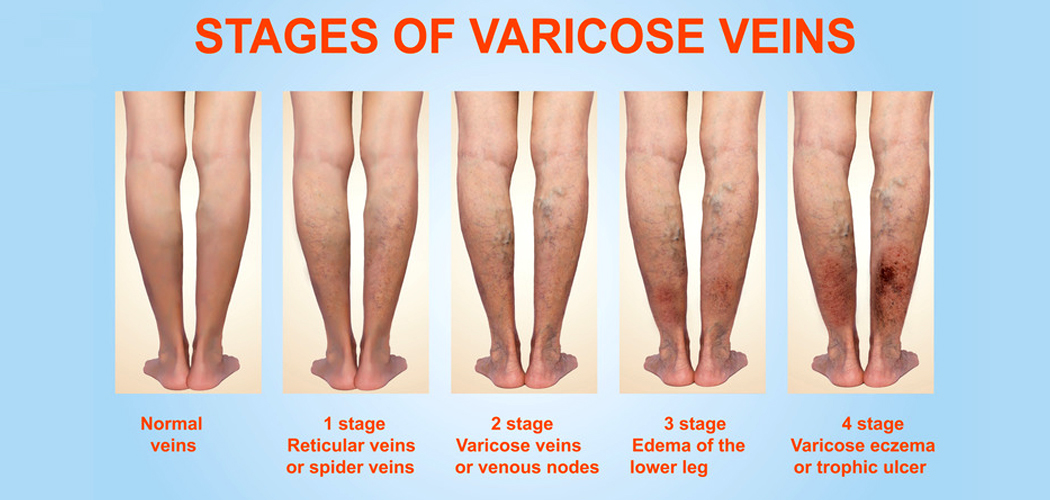
Varicose veins are enlarged, twisted veins that commonly appear on the legs. They may look like blue or purple lines beneath the skin and can sometimes cause aching, heaviness, swelling, or discomfort. While varicose veins may initially seem like a cosmetic concern, some patients can develop symptoms or complications that require medical attention.
As a Consulting General, Laparoscopic & Laser Surgeon, Dr. Shrikant Wakudkar provides evaluation and appropriate treatment for varicose veins. Treatment is planned according to the severity of the condition, symptoms, vein involvement, and the patient's overall health.
What Are Varicose Veins?
Varicose veins develop when the valves inside the veins do not function properly. These valves normally help blood flow back toward the heart. When they become weak or damaged, blood can collect within the veins, causing them to enlarge and become twisted or prominent.
Varicose veins most commonly affect the legs because the veins have to work against gravity to return blood to the heart. The condition can range from mild visible veins to more noticeable swelling and discomfort.
Common Symptoms of Varicose Veins
Some people with varicose veins may have no symptoms, while others may experience discomfort or changes in the affected leg. Common symptoms include:
- Visible enlarged or twisted veins
- Aching or pain in the legs
- Heaviness or tiredness in the legs
- Swelling around the ankles or lower legs
- Itching or burning sensation around affected veins
- Muscle cramps, particularly at night
- Skin changes around the affected area
What Causes Varicose Veins?
Varicose veins occur when the valves inside the veins become weak or stop working efficiently. This can cause blood to pool in the veins and gradually increase pressure within them.
Several factors may increase the likelihood of developing varicose veins, including increasing age, family history, prolonged standing or sitting, pregnancy, being overweight, and reduced physical activity. Not everyone with these risk factors will develop varicose veins, but they can contribute to the condition.
When Should You See a Surgeon?
If varicose veins are associated with persistent pain, swelling, skin changes, heaviness, or recurring discomfort, a surgical consultation can help determine the cause and severity of the condition. It is also important to seek medical evaluation if there are changes such as skin ulcers, bleeding, or significant swelling.
A surgeon may perform a clinical examination and recommend appropriate investigations, such as a venous Doppler ultrasound, when required. This helps assess blood flow and identify affected veins before deciding on treatment.
Treatment Options for Varicose Veins
Treatment depends on the severity of the varicose veins and the symptoms experienced by the patient. Mild cases may be managed with lifestyle measures, regular physical activity, weight management, avoiding prolonged standing or sitting, and compression therapy when advised by a doctor.
When varicose veins are persistent or symptomatic, minimally invasive procedures may be considered. Depending on the patient's condition, modern treatment options can include laser-based procedures and other techniques designed to close or treat the affected veins. The most suitable approach is selected after proper evaluation.
Benefits of Timely Treatment
Timely evaluation and treatment can help manage symptoms such as pain, heaviness, and swelling. Modern minimally invasive approaches may also offer advantages such as smaller access points, less discomfort, and a quicker return to routine activities compared with some traditional surgical approaches.
Treatment should always be individualized. A detailed assessment helps the surgeon determine whether conservative management, minimally invasive treatment, or another approach is appropriate.
Patient-Focused Surgical Care
Every case of varicose veins is different. Dr. Shrikant Wakudkar focuses on understanding the patient's symptoms, medical history, lifestyle, and vein condition before recommending a treatment plan.
Patients are also guided about activity, weight management, compression therapy when appropriate, and other measures that may help support healthy circulation and reduce the progression of symptoms.
Get the Right Treatment for Varicose Veins
Varicose veins are common, but persistent symptoms should not be ignored. Proper diagnosis can help identify the underlying vein problem and determine the most suitable treatment option.
If you are experiencing prominent veins, leg pain, swelling, heaviness, or recurring discomfort, consult a qualified surgeon for an appropriate evaluation and personalized treatment guidance.
-

Cashless Facility Available
-
All mediclaim/Health Insurance Accepted
-

EMI Payment Option Available
-
Free Guidance to choose right Health Insurance
-
Home Visit Available