Blogs
02
Sep
Breast Surgery: Common Conditions, Treatment & Recovery
Breast-related concerns can affect women and men at different stages of life. While some breast conditions may be harmless, others may require medical evaluation, monitoring, or surgical treatment. Finding a lump, experiencing pain, noticing a change in breast shape, or observing changes in the skin or nipple can naturally cause concern.
As a Consulting General, Laparoscopic & Laser Surgeon, Dr. Shrikant Wakudkar provides evaluation and surgical management for a range of breast conditions. The treatment approach is based on the nature of the condition, clinical findings, investigations, and the individual needs of each patient.
What Is Breast Surgery?
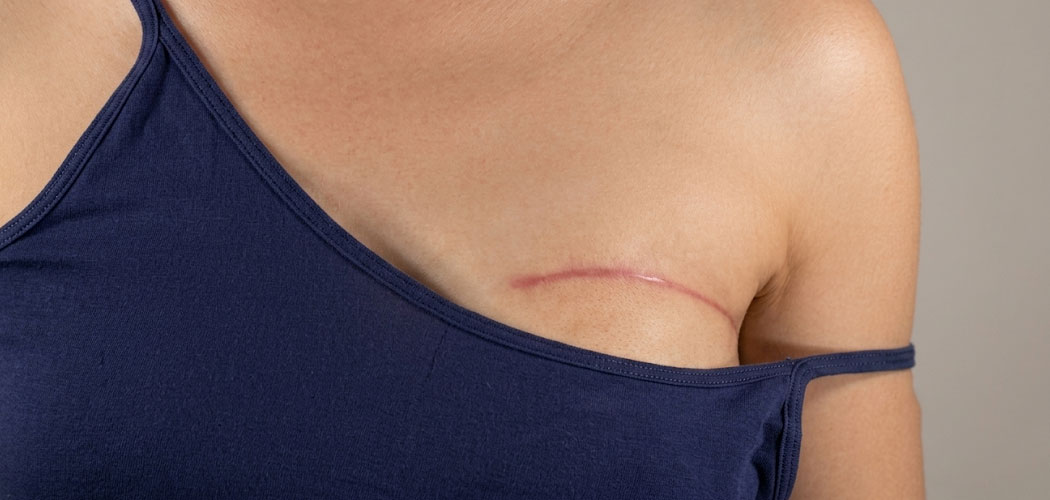
Breast surgery refers to surgical procedures performed to diagnose, treat, or remove certain breast conditions. Depending on the underlying problem, surgery may involve removal of a lump, treatment of an abscess, excision of an abnormal growth, or other procedures recommended after proper evaluation.
Not every breast lump or breast-related symptom requires surgery. A detailed examination and appropriate investigations are important to understand the condition before deciding on treatment.
Common Breast Conditions That May Require Evaluation
Breast conditions can have different causes and may present with a variety of symptoms. Some commonly evaluated concerns include:
- Breast lumps or abnormal swellings
- Fibroadenoma and other benign breast lumps
- Breast cysts
- Breast abscess or infection
- Pain or tenderness in the breast
- Nipple or skin changes
- Abnormal breast growths requiring further evaluation
When Should You See a Surgeon?
Any new or persistent breast change should be evaluated by a qualified healthcare professional. A consultation is particularly important if you notice a new lump, persistent pain, changes in the skin, nipple changes, unusual discharge, or a change in the size or shape of the breast.
Early medical evaluation does not necessarily mean that the condition is serious. However, proper assessment can help identify the cause and determine whether observation, medication, further investigation, or surgical treatment is required.
How Are Breast Conditions Diagnosed?
Diagnosis begins with a detailed medical history and physical examination. Depending on the patient's age, symptoms, and examination findings, the surgeon may recommend imaging or other diagnostic tests.
Investigations may include breast ultrasound, mammography, or tissue sampling when clinically indicated. These investigations help provide a clearer understanding of the breast condition and guide further treatment decisions.
Breast Surgery Treatment Options
Treatment depends on the type, size, location, and nature of the breast condition. Some benign conditions may only require regular observation, while others may benefit from surgical removal.
When surgery is recommended, the procedure is planned according to the patient's individual condition. The goal is to safely treat or remove the affected tissue while taking appropriate care of the surrounding breast tissue.
What to Expect After Breast Surgery
Recovery after breast surgery varies depending on the procedure performed and the patient's overall health. Some procedures may allow patients to return to routine activities relatively quickly, while more extensive surgery may require a longer recovery period.
After surgery, patients are generally provided with guidance regarding wound care, activity, medications, follow-up appointments, and other precautions. Following the recommended post-operative instructions can support proper healing.
Patient-Focused Surgical Care
Breast-related concerns can understandably create anxiety. A patient-friendly approach focuses not only on treating the condition but also on helping patients understand their diagnosis and available treatment options.
Dr. Shrikant Wakudkar takes an individualized approach to breast conditions, considering the patient's symptoms, examination findings, investigation reports, and overall health before recommending treatment.
Do Not Ignore Changes in Your Breast
Many breast conditions are treatable, and timely evaluation can help provide clarity about a new or persistent breast concern. A breast lump or other unusual change should not be ignored or self-diagnosed.
If you have noticed a breast lump, persistent pain, swelling, nipple changes, skin changes, or another unusual breast symptom, consult a qualified surgeon for proper evaluation and personalized treatment guidance.
-

Cashless Facility Available
-

All mediclaim/Health Insurance Accepted
-

EMI Payment Option Available
-

Free Guidance to choose right Health Insurance
-

Home Visit Available