Blogs
16
Sep
Hernia Surgery: Causes, Symptoms & Treatment Options
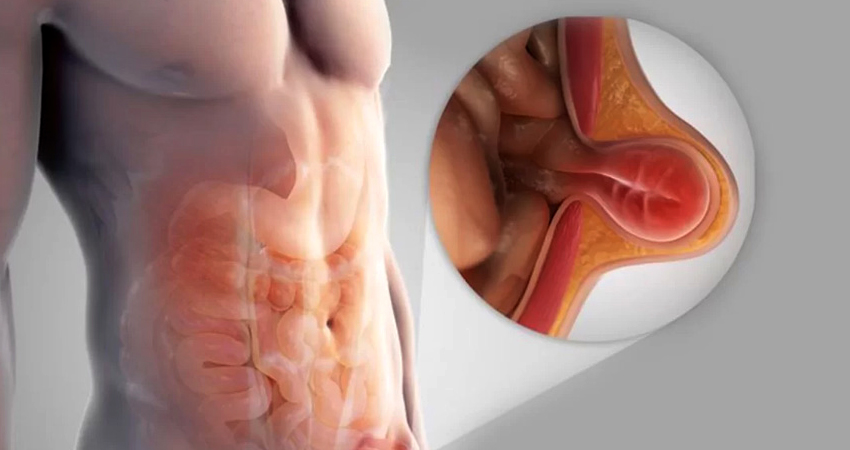
A hernia occurs when an internal organ or tissue pushes through a weak area in the surrounding muscle or connective tissue. Hernias commonly develop in the abdomen or groin and may appear as a visible or noticeable swelling, particularly while standing, coughing, or straining.
As a Consulting General, Laparoscopic & Laser Surgeon, Dr. Shrikant Wakudkar provides evaluation and appropriate surgical treatment for hernia. Treatment is recommended based on the type and size of the hernia, symptoms, overall health, and the risk of complications.
What Is a Hernia?
A hernia develops when a portion of an organ or tissue pushes through a weakened area in the muscle or abdominal wall. It may be present as a small swelling initially and can become more noticeable with coughing, lifting, bending, or other activities that increase pressure inside the abdomen.
Some hernias may cause little or no discomfort, while others can result in pain, heaviness, or a feeling of pressure. A medical examination helps identify the type of hernia and determine the appropriate treatment approach.
Common Types of Hernia
Hernias can occur at different locations in the abdominal wall and groin. Common types include:
- Inguinal hernia, which develops in the groin area
- Femoral hernia, which occurs in the upper thigh or groin
- Umbilical hernia, which develops around the navel
- Incisional hernia, which may occur at the site of a previous abdominal surgery
- Epigastric hernia, which develops in the upper part of the abdominal wall
Common Symptoms of Hernia
The symptoms of a hernia can vary depending on its type and size. Some individuals may notice only a swelling, while others may experience discomfort or pain.
- A visible or noticeable lump in the abdomen or groin
- Pain or discomfort at the site of the hernia
- A feeling of pressure, heaviness, or pulling
- Discomfort that may increase while coughing, lifting, or straining
- A swelling that becomes more noticeable while standing
- Difficulty or discomfort during certain physical activities
What Causes a Hernia?
A hernia can develop because of a weakness in the abdominal wall combined with increased pressure inside the abdomen. The weakness may be present from birth or may develop over time.
Factors that can contribute to hernia development include heavy lifting, persistent coughing, constipation and straining during bowel movements, obesity, pregnancy, previous abdominal surgery, and age-related weakening of the abdominal wall.
When Should You See a Surgeon?
Medical evaluation is advisable if you notice a new lump or swelling in the abdomen or groin, persistent pain, increasing discomfort, or a swelling that is becoming larger. A surgeon can examine the area and determine whether the hernia requires monitoring or surgical treatment.
Sudden severe pain, vomiting, abdominal swelling, difficulty passing stool or gas, or a hernia that becomes firm and cannot be pushed back should be evaluated promptly. These symptoms can indicate a complication and may require urgent medical attention.
How Is a Hernia Diagnosed?
Diagnosis generally begins with a detailed medical history and physical examination. The surgeon may examine the swelling while the patient is standing, coughing, or straining to understand the size and location of the hernia.
In some cases, an ultrasound or other imaging investigation may be recommended when the diagnosis is not clear on physical examination or when additional information is required for treatment planning.
Treatment Options for Hernia
Hernias do not usually heal on their own because the underlying weakness in the abdominal wall generally remains. Depending on the type, symptoms, and individual circumstances, the surgeon may recommend observation in selected cases or surgical repair.
Hernia surgery involves returning the protruding tissue to its appropriate position and repairing the weakened area of the abdominal wall. A surgical mesh may be used in many repairs to strengthen the abdominal wall and reduce the risk of recurrence.
Hernia repair may be performed using an open surgical technique or a minimally invasive laparoscopic approach, depending on the patient's condition, type of hernia, previous surgeries, and the surgeon's assessment.
Recovery After Hernia Surgery
Recovery after hernia surgery depends on the type of procedure, the location and size of the hernia, and the individual's overall health. Many patients can gradually return to routine activities as advised by their surgeon.
Patients are provided with post-operative instructions regarding medications, wound care, physical activity, diet, and follow-up. Heavy lifting and strenuous activities may need to be avoided for a period recommended by the surgeon.
Benefits of Timely Hernia Treatment
Appropriate treatment can help relieve symptoms, address the weakness in the abdominal wall, and reduce the risk of complications associated with an untreated hernia. Early evaluation also helps the surgeon determine the most suitable treatment approach for the individual patient.
The timing and type of treatment depend on the patient's symptoms, hernia characteristics, overall health, and clinical assessment. A personalized consultation is important before deciding on surgery.
Patient-Focused Surgical Care
Hernia treatment should be individualized because the condition can vary in location, size, symptoms, and complexity. Dr. Shrikant Wakudkar evaluates the patient's symptoms, examination findings, medical history, and relevant investigations before recommending a treatment plan.
Patients are guided about the condition, available treatment options, surgical approach, expected recovery, precautions, and appropriate follow-up so they can make informed decisions about their care.
Get the Right Treatment for Hernia
A hernia may initially cause only a small swelling or mild discomfort, but symptoms can change over time. Proper evaluation helps determine whether observation or surgical repair is appropriate and whether any factors require prompt attention.
If you are experiencing a lump, swelling, pain, heaviness, or discomfort in the abdomen or groin, consult a qualified surgeon for proper evaluation and personalized treatment guidance.
-

Cashless Facility Available
-

All mediclaim/Health Insurance Accepted
-

EMI Payment Option Available
-

Free Guidance to choose right Health Insurance
-

Home Visit Available